
Most cosmetic injectables reward you on the same day. You sit in the chair, the provider works, and the mirror shows a difference before you reach the parking lot. Sculptra asks for something else. The change it makes arrives slowly, over months, and it keeps arriving long after the appointment is a memory. That pace throws people who are used to filler, and it raises the question that sends most of them looking for answers. If nothing looks dramatically different the week after a Sculptra session, is the treatment actually working?
It is, and the timeline is the reason. Sculptra is a collagen-stimulating injectable made from poly-L-lactic acid, a material the body absorbs slowly while it rebuilds its own support structure beneath the skin. It prompts your skin to manufacture fresh collagen over a span of weeks and months, rather than filling a line with gel the way a standard filler does, and that new collagen is what brings back firmness and volume. This guide walks through what happens under the skin after each session, how the results build on a predictable schedule, what the research measures, and how long the final effect tends to hold.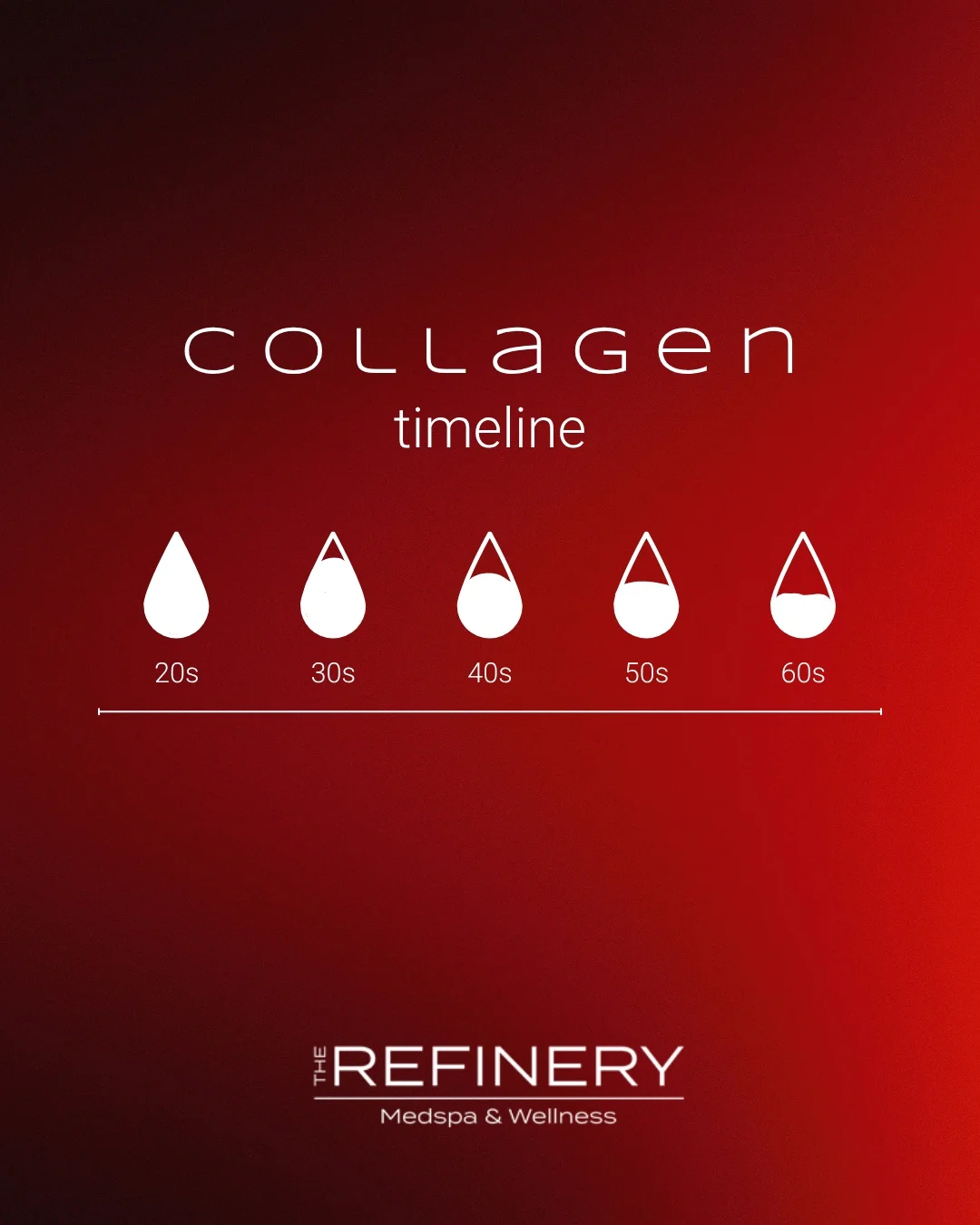
What Is Sculptra, and Why Does It Work Differently?
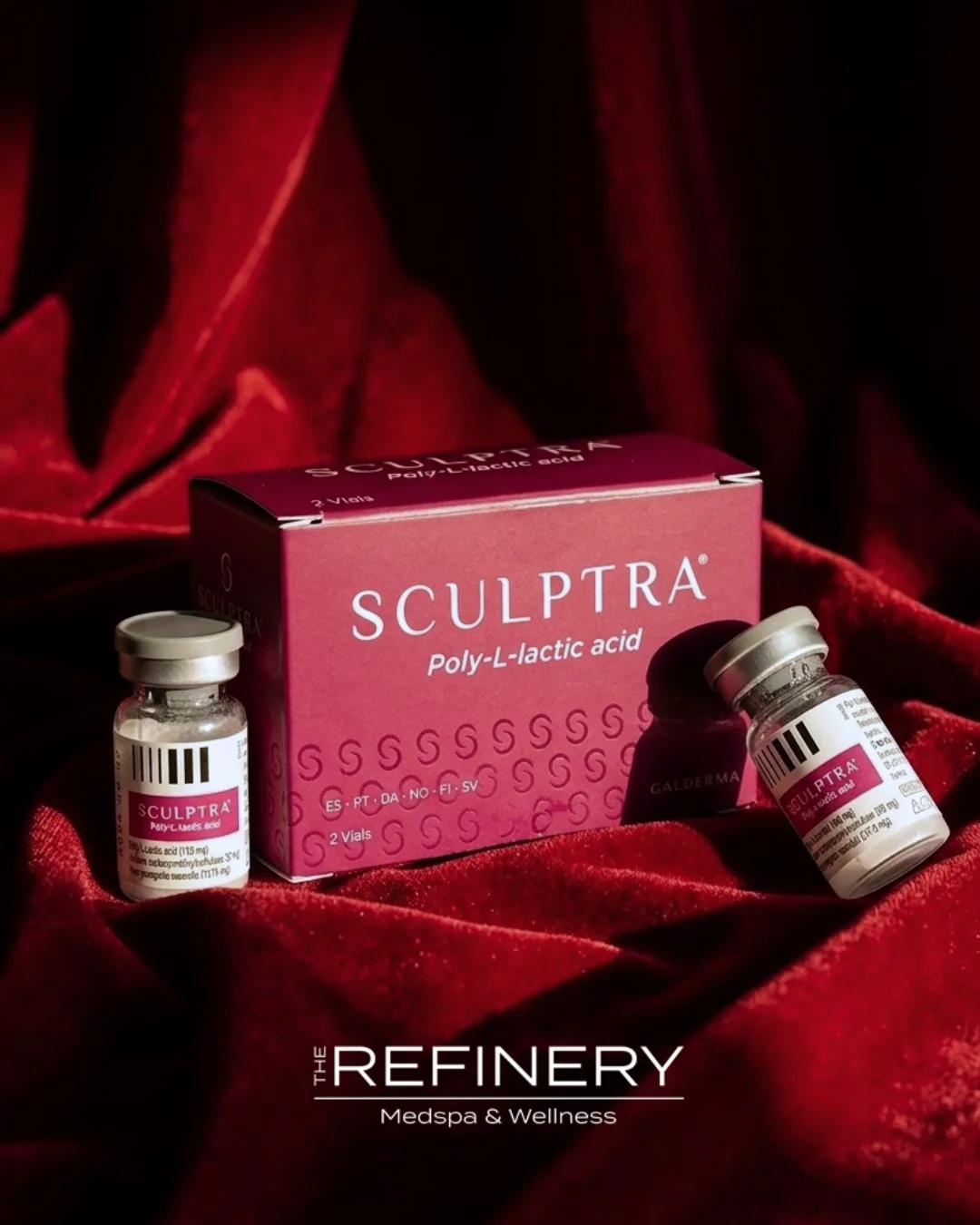
Sculptra is an injectable made from poly-L-lactic acid, usually shortened to PLLA. The material carries a long medical history that predates its cosmetic use, tracing back to the dissolvable surgical sutures surgeons have relied on since the 1970s. In its aesthetic form it arrives as a fine powder that a provider reconstitutes into a liquid suspension and injects into the deeper layers of the skin.
Once it is in place, the PLLA microparticles act as a signal. The body reads them as something to respond to and sends fibroblasts, the cells that produce collagen, into the area. Over the following weeks those fibroblasts lay down new collagen around the injected particles, and the particles themselves gradually break down into carbon dioxide and water that the body clears on its own. What remains is the collagen. That is why a Sculptra collagen treatment in West Melbourne, FL reads as a slow build. What you see is the tissue your own body grew in response to the treatment, not the product itself.
How Does Sculptra Build Collagen Over Time?
Collagen is the protein that gives skin its structure and spring, and the body makes less of it every year past the mid-twenties. As the underlying scaffolding thins, the face loses volume in the cheeks and temples, folds deepen around the mouth, and skin begins to look loose where it once looked full. You can read more about how these signs of facial aging take shape and what drives them.
Sculptra works against that decline by restarting the production line. Each treatment triggers a fresh wave of collagen synthesis, and because collagen takes time to form and organize, the visible improvement lags behind the injection by weeks. Most plans call for more than one session for that reason. A typical course runs across a handful of appointments spaced roughly three to four months apart, which stacks several rounds of collagen stimulation and gives the skin time to build between visits. The spacing is deliberate. Rushing the sessions does not speed the collagen, because the body sets that pace.
What Does the Research Show About Collagen Growth?
The collagen response has been measured directly rather than judged from before-and-after photos alone. In a clinical study that examined tissue samples from treated skin, type I collagen rose by about 65.5 percent three months after PLLA injection, and the effect held at later follow-up. Type I collagen is the dominant structural protein in the dermis, so a change of that size points to a real shift in the skin’s architecture rather than a passing impression of firmness.
What Does the Sculptra Results Timeline Look Like?
The honest version of the timeline has an early twist that surprises people. In the days right after a session, the treated areas often look fuller than they will a week later. That early plumpness comes from the water used to suspend the product and from minor swelling, and it fades as the fluid absorbs. When it does, the face can look much as it did before, which is the point where some patients worry the treatment failed. It has not. The collagen phase is only beginning. The table below maps what tends to happen and when.
| Timeframe | What is happening under the skin | What you tend to see |
|---|---|---|
| Days 1 to 7 | The suspension fluid is still present and minor swelling settles | A temporary fuller look that gradually subsides |
| Weeks 2 to 4 | The fluid has absorbed and fibroblasts begin responding to the PLLA | Skin looks close to its pre-treatment state, which is expected |
| Weeks 6 to 12 | New collagen forms and starts to organize in the treated layer | Early firmness and a subtle return of volume appear |
| Months 3 to 6 | Collagen keeps building, helped along by any follow-up sessions | Fuller, firmer contours become clearly visible |
| Month 6 onward | The collagen network matures and stabilizes | The full, natural-looking result holds |
Two points are worth holding onto as you read that schedule. Results appear on the body’s collagen clock rather than yours, so patience through the quiet middle weeks is part of the process. And the improvement you see at month six rests on the work done in sessions months earlier, which is why finishing the recommended course matters more with Sculptra than with a filler that does its job in a single visit.
| How to read your Sculptra timeline
Expect an early fuller look that fades within a week, a quiet stretch where little seems to change, and then a steady return of firmness and volume from around the six-week mark onward. The final result usually settles a few months after your last session and can last two years or more. Sun protection and a stable weight both help it hold. |
 Who Is a Good Candidate for Sculptra?
Sculptra suits adults who want to rebuild lost volume and soften folds gradually, and who are comfortable trading the instant payoff of filler for a result that looks like it happened on its own. It performs especially well on the lower face and on the cheeks and temples that hollow with age. It also eases the deeper folds that run from the nose down toward the mouth. Because it restores broad structure across an area rather than plumping one line, it fits people addressing overall facial thinning better than someone chasing a single crease.
The treatment is a weaker match in a couple of situations. Anyone who needs a correction ready for an event next week will be better served by a same-day option, since Sculptra cannot be rushed. People prone to raised or abnormal scars, or with an active skin infection in the area, are generally advised against it. A provider sorts this out in a consultation, because the same treatment that looks excellent on one face can be the wrong tool for another.
How Does Sculptra Compare to Other Collagen and Volume Treatments?
No single injectable answers every concern, and the right pick depends on what is driving the change and how fast you want to see it. Sculptra rebuilds volume slowly by growing your own collagen. Other options run on different timelines or target different problems, and many patients end up combining them.
- For volume you can see the same day while the Sculptra collagen develops in the background, a hyaluronic acid filler from the Juvederm family of fillers in West Melbourne fills the area right away and can be adjusted or dissolved if needed.
- When the goal is skin texture and tone more than deep volume, microneedling in West Melbourne, FL builds collagen closer to the surface and pairs well with Sculptra over a longer plan.
Another collagen-stimulating filler, Radiesse for immediate lift in Indian Harbour Beach, gives instant volume from its gel carrier and then stimulates collagen as that carrier breaks down, which sets it somewhere between a standard filler and Sculptra on the timeline. A provider can map out which of these, alone or layered, fits your face and your calendar.
What Should You Do Between Sessions to Support Collagen?
The single biggest factor in how well Sculptra performs is protecting the collagen you are building from the things that break it down. Ultraviolet light degrades collagen faster than almost anything else, so daily sunscreen matters more here than most people expect, and it matters even more under the Florida sun. A stable weight helps too, since large swings stretch and slacken the tissue the new collagen is supporting.
Habits at home feed the result as well. Products with retinoids and peptides encourage collagen on their own, and staying hydrated and well-nourished gives fibroblasts the raw material they need to keep working. Many patients schedule a maintenance session once the initial collagen has matured, which layers a fresh round of stimulation on top of the existing foundation and extends the result.
How Long Do Sculptra Results Last?
Once the full effect settles, Sculptra tends to hold for two years or more, among the longest runs of any injectable. The durability traces back to the nature of the result. You are maintaining collagen your body made rather than waiting for a gel to dissolve, so the fade is slow and gradual instead of sudden. As natural aging keeps drawing down collagen over the years, a touch-up session can top up the foundation and keep the contour where you want it.
Common Questions About Sculptra Results
When will I actually see Sculptra results?
The first real signs of new collagen usually show up around six to twelve weeks after a session, and the result keeps developing for several months. The fuller look in the first few days is fluid and swelling rather than the final outcome, so judge your progress at the two to three month mark instead of the first week.
How many sessions will I need?
Most plans involve more than one session, commonly a short series spaced three to four months apart, because each visit adds another round of collagen stimulation. Your provider sets the number based on how much volume loss is present and the result you are after.
Does Sculptra hurt, and is there downtime?
The injections are well tolerated, and the session itself takes under 30 minutes. Some swelling or bruising at the injection points is normal and settles within a few days. Providers often ask you to massage the treated areas for a short stretch afterward, and they will give you the specific instructions.
Can Sculptra be combined with other treatments?
Yes, and it frequently is. It layers naturally with same-day fillers for immediate volume, and it works alongside collagen-building treatments like microneedling for skin quality. Neuromodulators such as Botox can join the plan when muscle-driven lines are also part of the picture. A provider can sequence these to fit your goals and budget.
 Sculptra at The Refinery in West Melbourne and Indian Harbour Beach
If gradual, natural-looking volume sounds like the right approach for your face, the next step is a conversation with a provider who can assess your skin and tell you whether Sculptra fits your goals and your timeline. The Refinery Medspa & Wellness offers Sculptra across the greater Melbourne and Palm Bay area. Our West Melbourne office sits at 4311 Norfolk Pkwy #114, West Melbourne, FL 32904, and can be reached at 321-341-3321. Our Beachside location at 2194 Jimmy Buffett Mem Hwy, Unit 104, Indian Harbour Beach, FL 32937 can be reached at 321-339-2633. We also offer payment plans to spread the cost of a treatment series, and you can book a complimentary consultation to find out what Sculptra could do for you.
References
Unveiling the Mechanism: Injectable Poly-L-Lactic Acid’s Evolving Role, Insights From Recent Studies. Journal of Cosmetic Dermatology. 2025. https://www.ncbi.nlm.nih.gov/pmc/articles/PMC11743305/
Bernardo RTR, de Oliveira RCG, de Freitas KMS, de Albergaria-Barbosa JR, Rizzatti-Barbosa CM. Effect of Poly-L-Lactic Acid and Polydioxanone Biostimulators on Type I and III Collagen Biosynthesis. Skin Research and Technology. 2024. https://www.ncbi.nlm.nih.gov/pmc/articles/PMC10999943/
Effect of Hyaluronic Acid and Poly-L-Lactic Acid Dermal Fillers on Collagen Synthesis: An in vitro and in vivo Study. Clinical, Cosmetic and Investigational Dermatology. 2020. https://pmc.ncbi.nlm.nih.gov/articles/PMC7533910/